






Parents of teens know how challenging it is to protect their children from danger while allowing them to maintain a healthy sense of autonomy. This balance between allowing them to make (and hopefully learn from) their own mistakes and guiding them toward a successful future often leaves parents questioning their decisions. One of the most common of these questions: how worried should I be about my teen drinking? Fortunately, there is some new research that explores the relationship between teen alcohol abuse and alcohol use disorders later in life.
Underage Drinking Statistics
To accurately assess how troublesome a teenager’s alcohol use is, it is important to put the potential problem in context. According to the 2019 National Survey on Drug Use and Health, nearly 40% of those between 12 and 20 years of age report drinking at least once, and almost 20% reported drinking within the past month.
And, according to the National Institute on Alcohol Abuse and Alcoholism, when young people drink they tend to binge drink. In fact, 90% of all drinks consumed by people between the ages of 12 and 20 are consumed through binge drinking (drinking large amounts of alcohol in a single sitting).
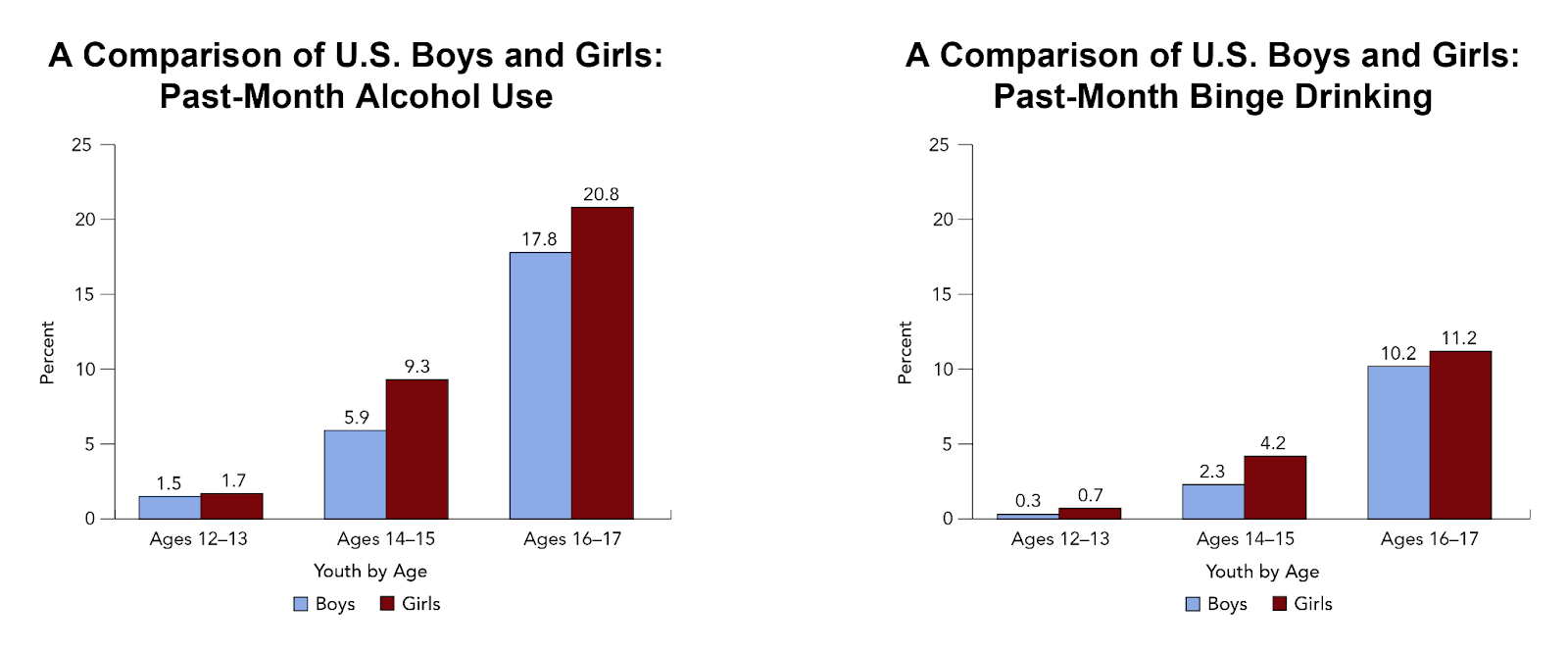
While there are certainly many dangers associated with underage drinking, including alcohol poisoning, motor vehicle accidents, assaults (and sexual assaults), an impact on brain development, and more, the statistics do show that alcohol use among teens is not uncommon. High school students and young adults drink for a number of reasons, some of which may involve peer pressure. But as it relates to problems with addiction and alcoholism, how do parents know if they should be worried?
CMU Study: Drinking Alone Foreshadows AUD in Adolescents and Young Adults
According to a Carnegie Mellon study that investigated the correlation between drinking patterns in adolescence and young adulthood and alcohol use disorder (alcoholism) later in life, drinking alone is a strong indicator of future problems. Kasey Cresswell, lead author of the study says, “Most young people who drink do it with others in social settings, but a substantial minority of young people are drinking alone. Solitary drinking is a unique and robust risk factor for future alcohol use disorder. Even after we account for well-known risk factors, like binge drinking, frequency of alcohol use, socioeconomic status and gender, we see a strong signal that drinking alone as a young person predicts drinking problems in adulthood.”
So, just how bad is drinking alone? The study found that those who reported drinking alone at age 18 were 35% more likely to show symptoms of alcohol use disorder (AUD) at age 35 compared to social-only drinkers. The effect was even stronger in young adults. Those who reported drinking alone between ages 23-24 were 60% more likely to have a problem with alcohol at age 35 than their counterparts who drank only in social settings.
The study also found that adolescent females who drank alone appeared to be at particular risk for developing future alcohol problems in adulthood.
Florida Alcohol Treatment Experts Respond
When asked about the results of the study, Albert Zingariello, LCSW, and clinical director at All In Solutions Counseling Center stated, “These results support what we have seen for years in treating adults with addictions. It is often the behavior that surrounds the use of drugs and alcohol that is the greatest indication of a potential problem. When young people are using drugs or alcohol in isolation, it should be a big warning sign that the role intoxicants play in their lives is unhealthy and unlikely to resolve without intervention.”
There are of course many other factors that contribute to problems with alcohol in adulthood, including the age at which a person starts drinking and the presence of family members with drinking problems. Studies have shown that those who start drinking at an especially young age are more prone to addiction. And of course, genetics and family environment play a role.
But, for parents concerned about their teens drinking alcohol, the important thing to know is that if they are drinking alone, it may be time to step in. Other studies by Cresswell show that drinking in isolation is a sign that an individual is using alcohol as a way to cope with negative emotions. This kind of behavior, abusing alcohol as a coping mechanism, has consistently been linked to the development of alcoholism.
If you have questions about teen alcohol abuse or would like to seek help for yourself or a loved one don’t hesitate to reach out to All In Solutions Counseling Center. Experienced treatment center staff are available 24/7 to assist you and your family.