





Heroin is among the most physically and psychologically damaging addictions a person can face. Due to the current opioid epidemic, heroin is more dangerous than ever, the overwhelming majority of heroin on the street is cut with fentanyl, which gives every dose the potential to kill, even at first use. Fortunately, people do recover from heroin addiction, and with the proper level of care, that recovery can last a lifetime. If you or someone you know is struggling with heroin addiction, understanding what it is and what treatment entails is your first step in getting help.This comprehensive approach to addiction treatment includes inpatient and outpatient levels of care, as well as individual and group therapy to support long-term recovery from substance abuse.
What Is Heroin?
Heroin is an illegal drug synthesized from morphine, which is derived from the opium poppy plant. It is classified as a Schedule I controlled substance because it has no accepted medical use and is one of the most addictive drugs known. According to the National Institute on Drug Abuse research report, heroin can be found as a white or brown powder or as black tar, and is typically injected, smoked, or snorted. [1]Heroin works by binding directly to the brain’s opioid receptors, producing an intense euphoric rush followed by a long-lasting state of sedation and pain relief. It also depresses the respiratory system, which is the primary cause of death from an opioid overdose. Much of the illicit heroin supply on the street has been cut with fentanyl,a synthetic opioid 50 to 100 times stronger than morphine, making overdose a serious risk for first-time and even experienced users. [2]
Why Is Heroin So Addictive?
Heroin is extremely addictive due to the speed and intensity with which it acts on the brain’s opioid and reward systems. When heroin enters the bloodstream, particularly through injection, it converts to morphine and floods the brain’s opioid receptors, producing a dopamine rush and euphoria that the brain cannot produce naturally. [3] The brain, after receiving this overwhelming reward, begins to reorganize itself around the desire for the drug.With continued use, the brain’s opioid system downregulates. The brain stops producing adequate amounts of opioids, and the sensitivity of opioid receptors decreases. This means that without heroin, a person is not only left without the “high” but their baseline state becomes one of dysphoria, pain, and craving that can make everyday life feel unbearable. Physical dependence on heroin can develop within days to weeks of regular use, and the fear of withdrawal, which can be a severe and deeply uncomfortable experience, drives continued use even if that person wishes desperately to stop. [4]
Additional context: GABA (gamma-aminobutyric acid) is a neurotransmitter responsible for calming nervous system activity. Heroin disrupts this balance, contributing to increased cravings and dependence.
Signs of Heroin Use and Addiction
Short-term signs of heroin use include:
- Sleepiness or nodding off during conversations
- Constricted (pinpoint) pupils
- Slurred speech and sluggish movements
- Flushed skin and a sensation of heavy limbs
- Nausea and vomiting, particularly in new users
- Appearing to be euphoric, detached, or “out of it”
Signs of long-term heroin use or addiction include:
- Track marks or bruises around injection sites on the arms or legs
- Rapid weight loss and poor physical appearance
- Wearing long sleeves regardless of temperature to hide injection sites
- Neglecting personal hygiene and grooming
- Withdrawing from family and friends
- Financial hardship, missing valuables, or lying about needing money
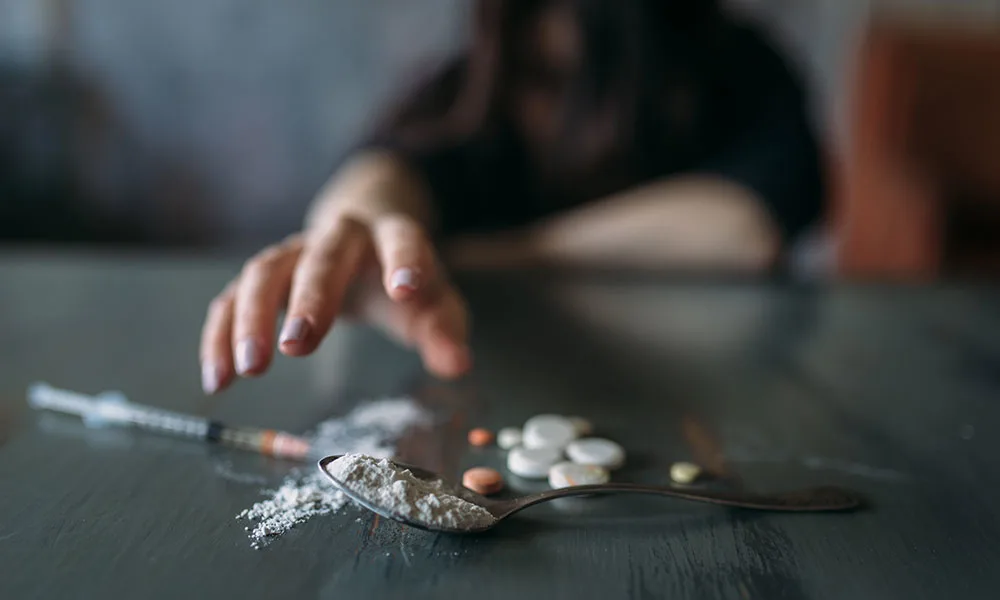
- Paraphernalia such as needles, spoons, burned foil, or small plastic bags
- Continued use despite serious health, legal, and relationship consequences
Recognizing Heroin Use in a Loved One
If you suspect a family member may be addicted to heroin, the signs above are a starting point, but behavioral changes are often just as telling as physical ones. A loved one who was once responsible but has become secretive, irresponsible, emotionally unavailable, and disappears for long periods, only to return looking unwell, is something to take very seriously. In today’s world of fentanyl contamination, the risks of doing nothing have never been greater.
Heroin Withdrawal: Quitting Heroin Safely
Quitting heroin without medical assistance is not recommended. While heroin withdrawal is not usually life-threatening, complications can occur, and the experience is highly uncomfortable and difficult to manage without support. Symptoms of heroin withdrawal normally begin 6 to 12 hours after last use, with maximum intensity at 48 to 72 hours. As outlined by the National Institute on Drug Abuse withdrawal data, the acute symptoms will typically only last about one week.[5]
Examples of typical withdrawal symptoms include:
- Intense drug cravings
- Anxiety and agitation
- Muscle soreness, cramps, and pain
- Nausea, vomiting, and diarrhea
- Excessive sweating, chills, and goosebumps
- Inability to sleep
- Elevated heart rate and blood pressure
While heroin withdrawal is not life-threatening in most healthy adults, the intensity of the withdrawal symptoms makes unassisted detox extremely difficult and greatly raises the risk of relapse, and relapse after a period of abstinence raises the risk of overdose due to decreased tolerance. Medical detox provides the medical supervision, medication management, and support required to ensure the individual gets through the detox process safely and with the best chance at actual treatment.MAT (Medication-Assisted Treatment) with buprenorphine (Suboxone) or methadone continues to be the gold standard for treating opioid use disorder. Evidence from medications for opioid use disorder research shows that it significantly raises the likelihood of a positive outcome and long-term recovery.[6]